

Mastering Proper Sitting Alignment for Health
Sitting is a daily activity that many people do for hours, especially those recovering from injuries or managing physical pain. However, sitting incorrectly can worsen discomfort and lead to long-term health issues. Understanding and practicing proper sitting alignment is essential for maintaining spinal health, reducing pain, and improving overall well-being. This article explores the principles of correct sitting posture, practical tips to maintain it, and how to address common challenges.
Understanding Proper Sitting Alignment
Proper sitting alignment means positioning your body in a way that supports the natural curves of your spine. When sitting correctly, the head, shoulders, and hips align vertically, reducing strain on muscles and joints. This alignment helps distribute weight evenly and prevents undue pressure on the lower back.
Key elements of proper sitting alignment include:
Feet flat on the floor or on a footrest to support the lower body.
Knees bent at a 90-degree angle, level with or slightly lower than the hips.
Back straight with natural lumbar curve supported by the chair’s backrest.
Shoulders relaxed and aligned over the hips.
Head positioned so the ears are over the shoulders, avoiding forward jutting.
Maintaining this posture reduces the risk of developing chronic pain, muscle fatigue, and spinal problems. It also promotes better circulation and breathing.
Why Proper Sitting Alignment Matters for Health
Sitting improperly can lead to a range of health issues, especially for those already experiencing pain or recovering from injuries. Poor posture increases pressure on the spine, which can cause or exacerbate conditions such as herniated discs, sciatica, and muscle imbalances.
Some common consequences of poor sitting posture include:
Lower back pain due to slouched or unsupported sitting.
Neck and shoulder tension from leaning forward or craning the neck.
Reduced lung capacity caused by compressed chest and diaphragm.
Circulatory problems from restricted blood flow in the legs.
Fatigue and decreased focus resulting from muscle strain.
By adopting proper sitting alignment, individuals can alleviate these issues and support the healing process. This is particularly important for those recovering from auto accidents or physical injuries, where spinal health is critical.
Can you fix posture while sitting?
Yes, it is possible to improve posture while sitting, but it requires conscious effort and consistent practice. The body tends to revert to old habits, so awareness and adjustments are necessary.
Here are practical steps to fix posture while sitting:
Adjust your chair - Ensure the seat height allows your feet to rest flat on the floor. Use lumbar support or a small cushion to maintain the natural curve of your lower back.
Position your workstation - Keep your computer screen at eye level to avoid leaning forward. Place the keyboard and mouse within easy reach to prevent overextension.
Engage your core muscles - Lightly tightening abdominal muscles helps support the spine.
Take frequent breaks - Stand, stretch, or walk every 30 to 60 minutes to reduce stiffness.
Use reminders - Set alarms or notes to check and correct your posture throughout the day.
Over time, these habits can retrain your muscles and improve your sitting posture, reducing pain and enhancing comfort.

Practical Tips for Maintaining Proper Sitting Alignment
Maintaining proper sitting alignment throughout the day can be challenging, especially during long work hours or recovery periods. Here are some actionable recommendations:
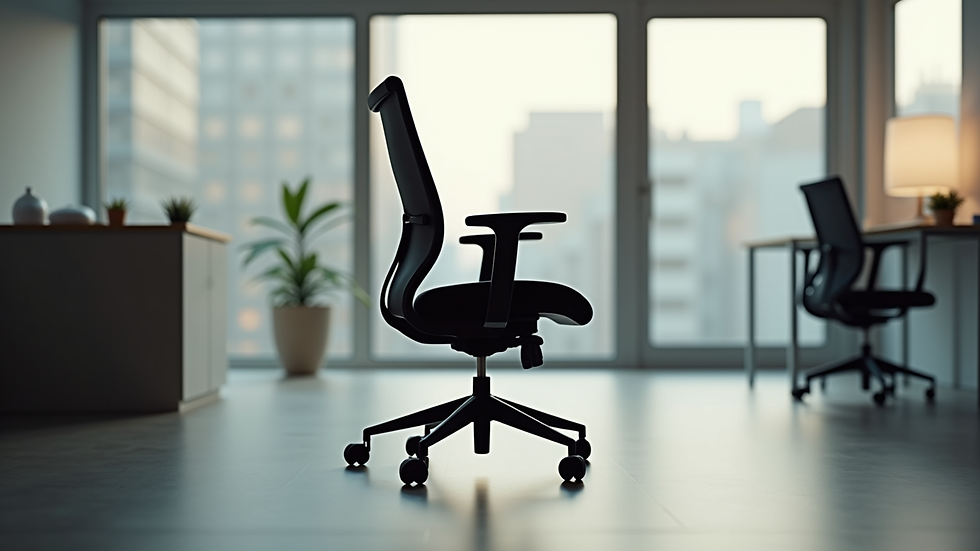
Choose the right chair: Select a chair with adjustable height, backrest, and armrests. A chair that supports the lumbar spine is ideal.
Use cushions or supports: A lumbar roll or cushion can help maintain the natural curve of the lower back.
Keep feet supported: If your feet do not reach the floor, use a footrest to avoid dangling legs.
Avoid crossing legs: Crossing legs can misalign hips and increase pressure on the lower back.
Position your hips slightly higher than knees: This helps maintain the lumbar curve and reduces slouching.
Keep shoulders relaxed: Avoid hunching or tensing the shoulders.
Monitor screen height and distance: The top of the screen should be at or slightly below eye level, about an arm’s length away.
Incorporate movement: Stand or walk during phone calls or breaks to reduce static posture.
Implementing these tips can significantly improve comfort and reduce the risk of pain associated with prolonged sitting.
How Proper Sitting Alignment Supports Recovery and Pain Management
For individuals recovering from auto accidents or managing chronic pain, proper sitting alignment plays a vital role in rehabilitation. It helps:
Reduce pressure on injured areas: Proper alignment minimizes stress on the spine and muscles.
Promote healing: Correct posture supports blood flow and nutrient delivery to tissues.
Prevent further injury: Avoiding poor posture reduces the risk of aggravating existing conditions.
Enhance therapy outcomes: Maintaining good posture complements chiropractic adjustments and physical therapy.
Improve daily function: Reduced pain and better posture enable more comfortable movement and activity.
Chiropractic clinics often emphasize posture education as part of comprehensive care. Patients learn how to maintain proper sitting alignment to support their recovery and improve quality of life.
Final Thoughts on Mastering Proper Sitting Alignment
Mastering proper sitting alignment is a crucial step toward better health, especially for those dealing with pain or recovering from injuries. It requires awareness, consistent practice, and sometimes adjustments to your environment. By focusing on key elements such as foot placement, lumbar support, and workstation setup, anyone can improve their sitting posture.
Remember, the correct sitting posture is not just about comfort but about protecting your spine and overall well-being. Small changes in how you sit can lead to significant improvements in pain management and daily function.
Taking control of your sitting habits today can help you move toward a healthier, more comfortable tomorrow.



Comments